

Overview of 2025/26 casework
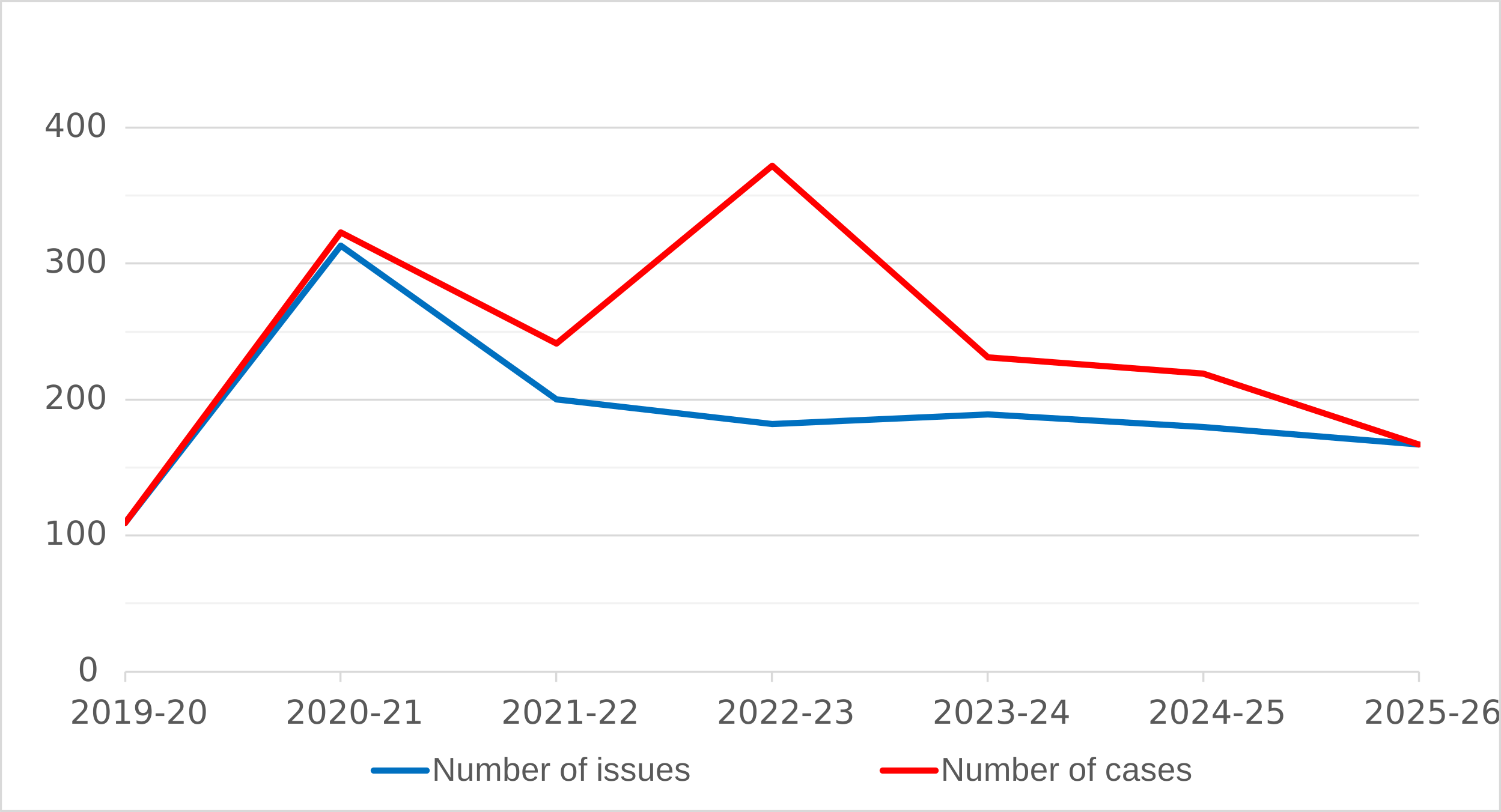
In 2025/26, OSR investigated 167 pieces of casework. This shows a decrease in the number of casework investigations compared to 2024/25, when we investigated 219 cases. OSR’s casework numbers are still noticeably higher, however, than the pre-COVID-19 pandemic period (before 2020), as illustrated by the graph in Figure 1.
Figure 1. Number of requests for casework investigations OSR received by year (2019/20 to 2025/26)
Download a copy of the data used in this chart
Note: The graph in Figure 1 presents two series. The first, ‘Number of issues’, shows the number of separate issues that have been raised with us. The second, ‘Number of cases’, shows the total number of cases that we have received each year. Where we received more than two cases on the same issue raising the same concerns, this has been recorded as one issue. In 2025/26, there were several topics where we had two cases covering the same or similar issues, but these cases were handled individually and are therefore represented as unique in the figures: this means that the number of issues is equal to the number of cases.
Anyone can raise casework with OSR. The 2025/26 period saw some changes in who was raising cases with us. Approximately 50% of our 167 cases were generated by members of the public, down from 60% in 2024/25. The proportion of cases raised by members of parliament (MPs) remained similar between years, dropping to 6% in 2025/26 from 7% in 2024/25. A higher proportion of casework was identified through our own monitoring activities than during the year before: it was 25% in 2025/26, which is up from 12% in 2024/25.
For all the cases raised with OSR over the last year, we issued 111 private responses and 19 public responses. We made no response to a further 34 enquiries; these mostly related to casework generated internally. As of 28 May 2026, three cases from 2025/26 are still undergoing active investigation, so do not yet have an outcome or final response.
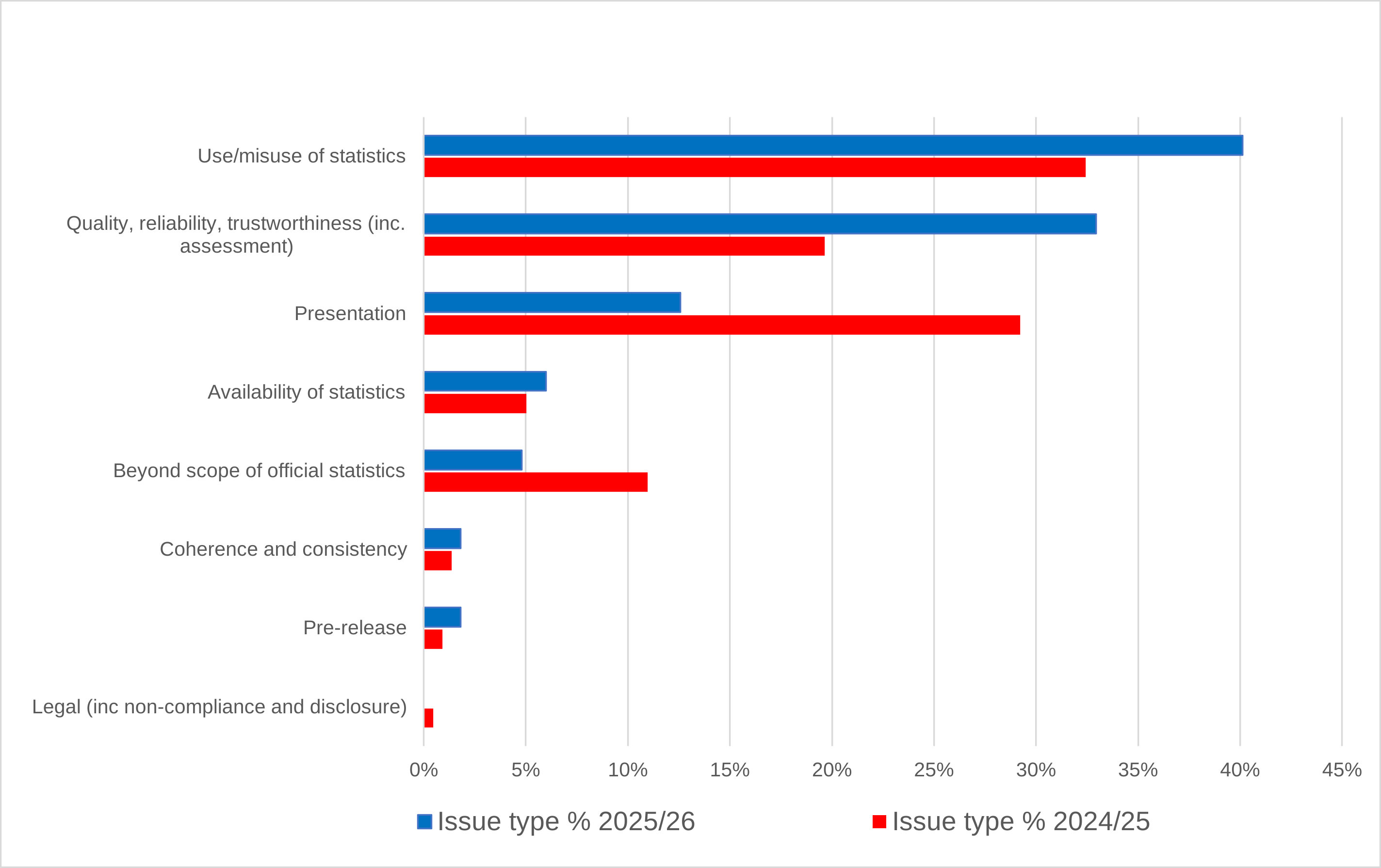
We categorise each piece of casework according to the primary issue it relates to, enabling us to track casework by issue type. In 2025/26, we saw an increase in the proportion of issues that we categorised as ‘use/misuse of statistics’ (up from 32% in 2024/25 to 40% in 2025/26), as well as an increase in those that related to ‘quality, reliability and trustworthiness (inc. assessment)’ (up from 20% in 2024/25 to 33% in 2025/26). We saw a large decrease in the proportion of cases categorised as a presentation issue compared to 2024/25, with the proportion falling from 29% in 2024/25 to 13% in 2025/26. This decline continues a trend we saw in our 2024/25 report, where the percentage of cases involving a presentation issue decreased from 58% in 2023/24.
Figure 2. Casework by issue type (2024/25 and 2025/26)
Download a copy of the data used in this chart
In last year’s report, we spoke about our casework feedback survey that launched in September 2024. The survey comprises six questions and is sent to all complainants in the month after OSR completes and closes the relevant case. In our first partial year, we received 7 submissions, and in 2025/26 we received 14. This means that in 2025/26, we had a response rate of 8%, which should be considered when interpreting the findings of the survey, as a sample of this size is unlikely to be representative of the whole casework cohort.
Of the responses to the survey for 2025/26, 71% of respondents were satisfied that OSR had handled their case fairly and impartially, 21% were dissatisfied, and the remaining 8% were neither satisfied nor dissatisfied. Some survey responses expressed frustration that OSR could not or did not adequately help with the raised query. Often these related to cases that were out of our remit. To help mitigate frustration resulting from our remit limitations, OSR will aim to better refer complainants raising cases that we cannot help with to a relevant body.
Furthermore, the new Standards for the Public Use of Statistics, Data, and Wider Analysis in the Code provide an effective guardrail to ensure that we can act in cases where we can have a positive impact for the wider public, even if they fall outside of our statutory remit.
Back to top